

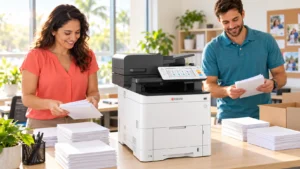
A nonprofit’s copier may serve several very different programs. Administrative staff print internal records, coordinators prepare participant materials and volunteers assemble packets for events. Selecting equipment around only one of those tasks can leave the organization paying for unused features or improvising when a recurring program needs something different.
At STAT Business Systems, we help South Florida organizations describe those workloads before comparing copier leasing options. The aim is a practical configuration with clear responsibilities for supplies, use and support.
Have the coordinator prepare a small sample packet using the same materials volunteers will receive. Check that instructions, page order and duplex orientation are easy to follow. If the task depends on one experienced person correcting output after every run, include that recurring effort in the configuration discussion.
Build the requirement list by program
Ask each regular user group for examples of the documents it produces. Record quantities, frequency, paper sizes and whether color carries important information. Separate routine programs from one-time projects.
Do the same for copying and scanning. Some groups may need quick copies of originals; others may mainly print from a computer. Identify where document capture should take place and who receives the resulting files.
This list helps the organization decide whether one shared MFP is enough or whether a small departmental device has a defined role. It also gives purchasing a concrete basis for explaining the equipment choice to internal decision-makers.
Avoid building the specification around the largest event the organization has ever held. Describe that exception separately and compare the available production routes for it.
Give color a purpose in the proposal
Program materials may need color for readability, activity design or an approved presentation standard. Internal administrative documents may be suitable for monochrome output.
Bring sample materials to the equipment discussion and inspect the printed result. Check the actual stock, document layout and settings volunteers will use. A color-capable device is useful only when staff know which jobs require that capability.
Our color multifunction listings and black-and-white copier listings provide different starting points. We can help compare the equipment role rather than assuming that one output category fits every organization.
Confirm how the proposed service arrangement counts color and monochrome pages. Use the actual agreement when evaluating ongoing costs instead of relying on a general claim that a setting will save a particular amount.
Make the workflow usable for occasional operators
Volunteers and rotating staff may use the machine less often than an experienced administrator. Common tasks should have a documented process that does not depend on memorizing a long series of settings.
Test a routine program packet with someone who will actually prepare it. Check paper loading, duplex orientation, page order and any required finishing. Confirm that accessories shown in a product photograph are included in the configuration being quoted.
For scanning, use authorized destinations and a clear review step. The organization should decide who may access participant or administrative files and how those documents are named. Equipment features support that policy; they do not replace it.
Identify a backup person who can order supplies and request assistance. Staff changes should not leave the organization uncertain about the model, provider or support arrangement.
Compare the complete support arrangement
Review acquisition costs, expected usage and service scope separately. Ask what the proposal includes for installation, training, supplies and maintenance, and what remains the organization’s responsibility.
If usage rises during a recurring program period, describe the pattern before approving an allowance or equipment capacity. A quiet month alone may not represent the workload the machine needs to support.
Also discuss a practical route for unusually large or specialist output. Choosing suitable daily equipment does not require every occasional project to move in house.
We are based in Sunrise and support organizations across Broward County and the wider South Florida service area. We can review the proposed location, network requirements and staff workflows as part of the equipment discussion.
Before requesting pricing, gather the program document list, approximate usage, required paper sizes and a few sanitized samples. Identify the person authorized to approve the configuration and the employee who will coordinate setup.
Request a nonprofit equipment quote with those details and the timing of your next recurring program cycle. We can help build a proposal that gives each selected feature a clear purpose and makes everyday document work easier for staff and volunteers.